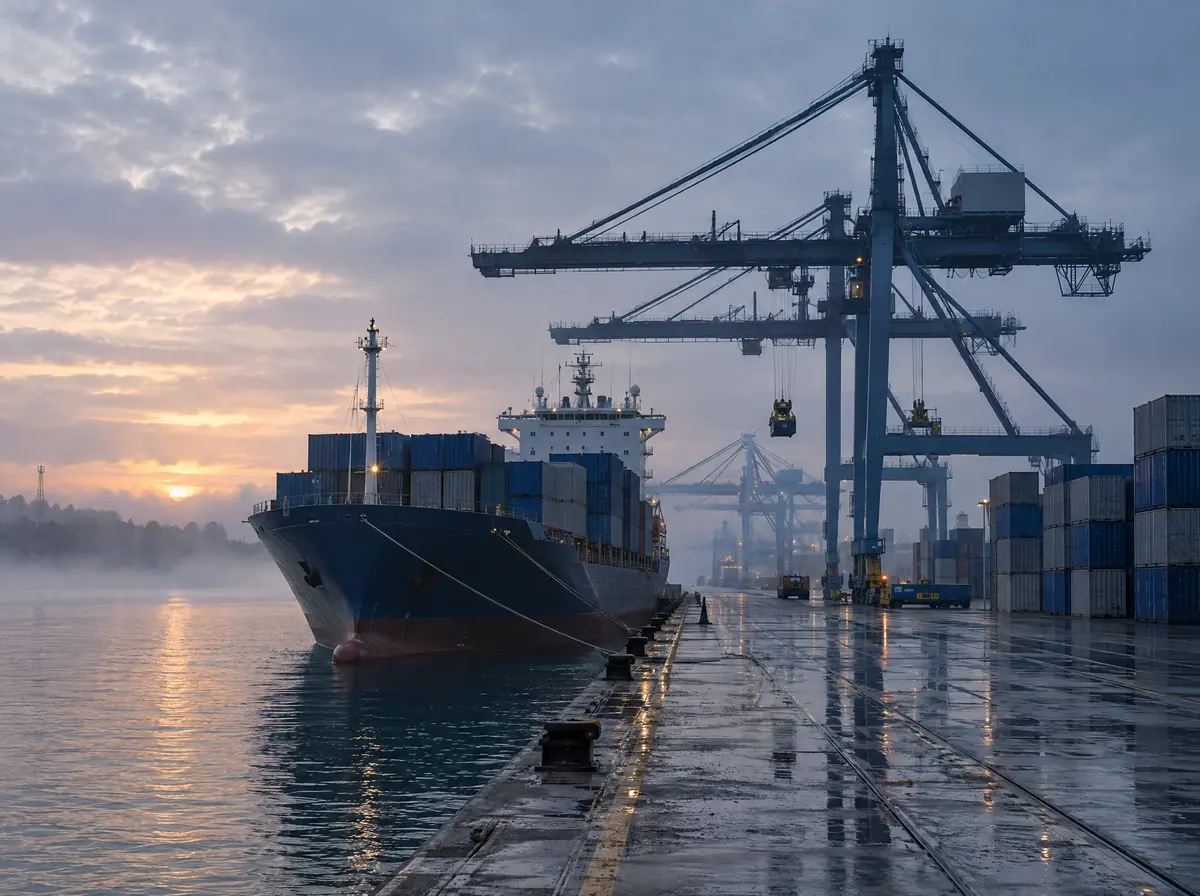
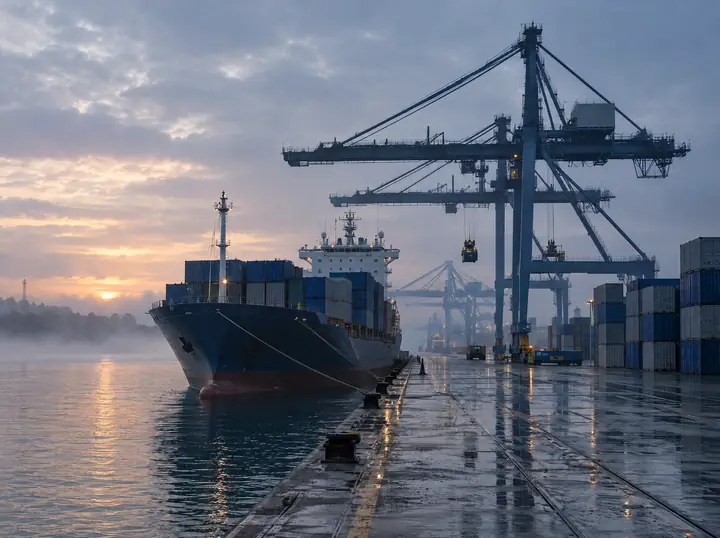
Before sailing
The ship knows what lies ahead
The ship and its owner learn where maritime operations are under way. The ship can choose to share voyage details, so the military knows who is entering the area.
NCAGS - Naval Cooperation and Guidance for Shipping
How navies and merchant ships work together to keep sea trade moving, even in tense times.
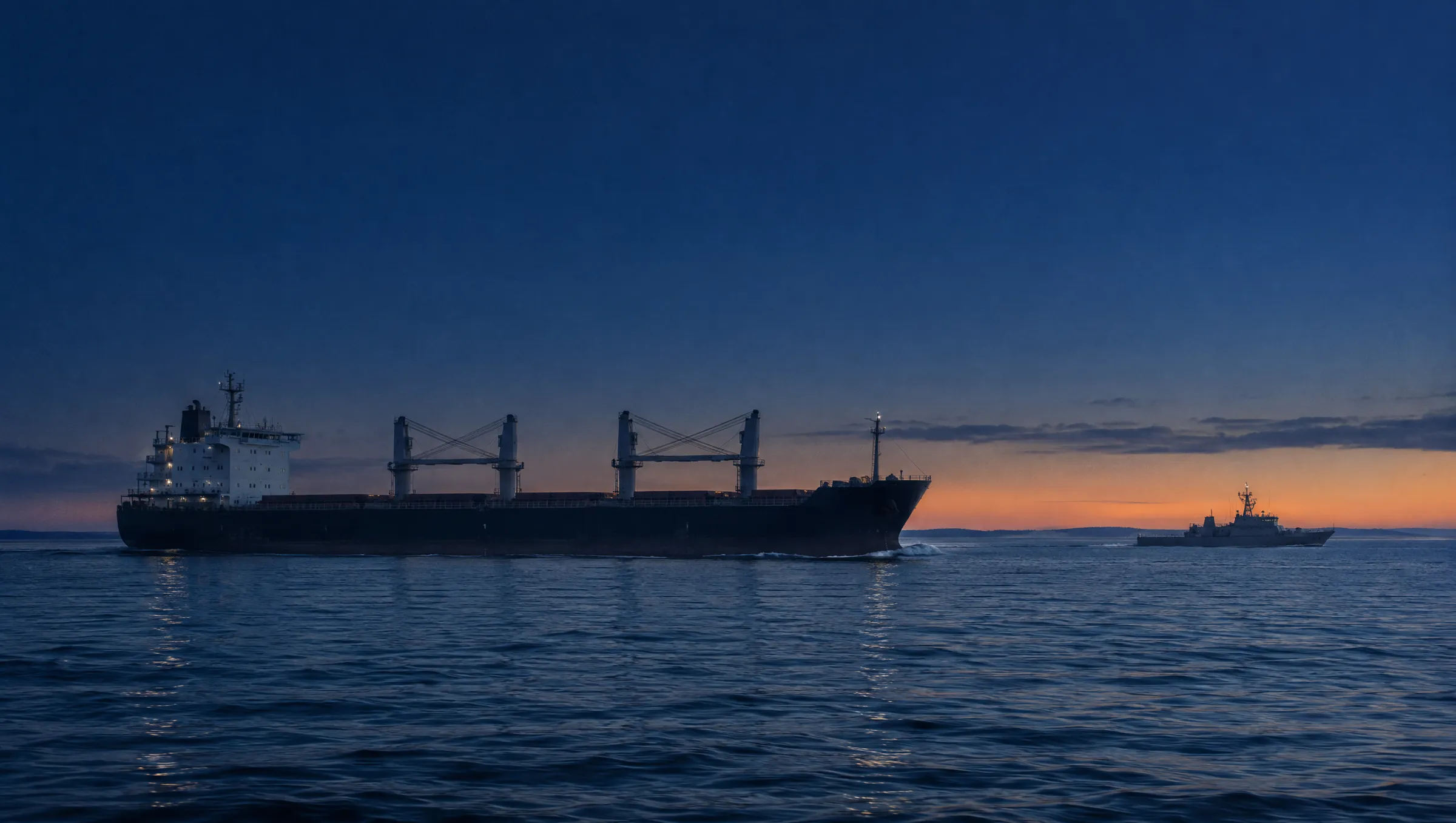
NCAGS is a NATO concept that connects military operations at sea with civilian shipping. The name stands for Naval Cooperation and Guidance for Shipping.
Merchant ships sail where navies operate. When the two share information, a ship learns about dangers sooner and may avoid delays. The navy gets a better picture of who is in the area.
Taking part is voluntary for merchant ships, and their commercially sensitive data is protected. The master always stays responsible for the ship’s safe navigation.
This is how cooperation can look on one merchant ship’s voyage through an area where a maritime operation is under way.
Before sailing
The ship and its owner learn where maritime operations are under way. The ship can choose to share voyage details, so the military knows who is entering the area.
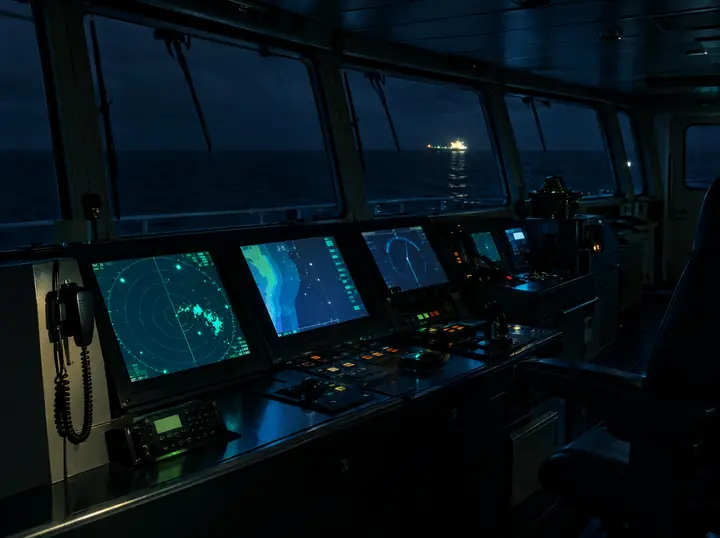
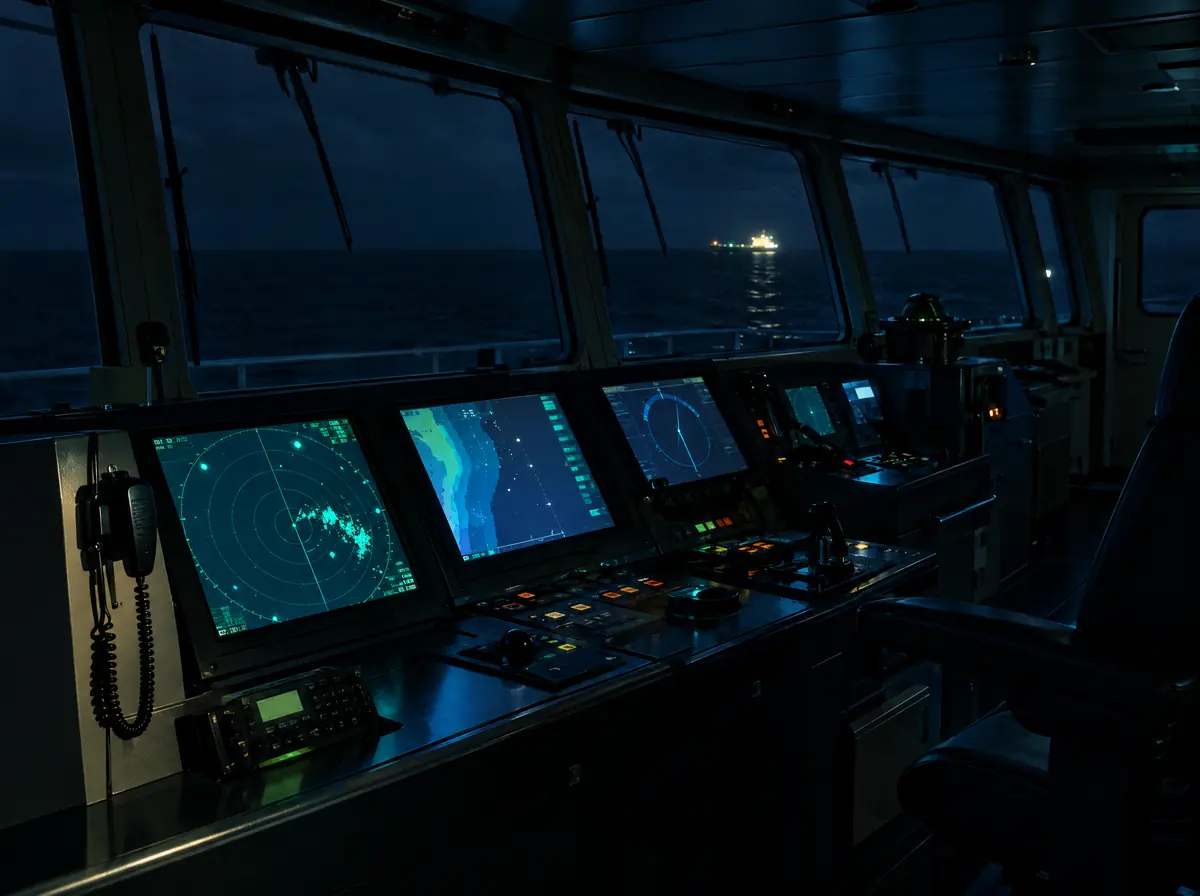
Information
The master gets current information about the situation, and advice. It does not flow in one direction only: ships also see things at sea that are worth reporting.
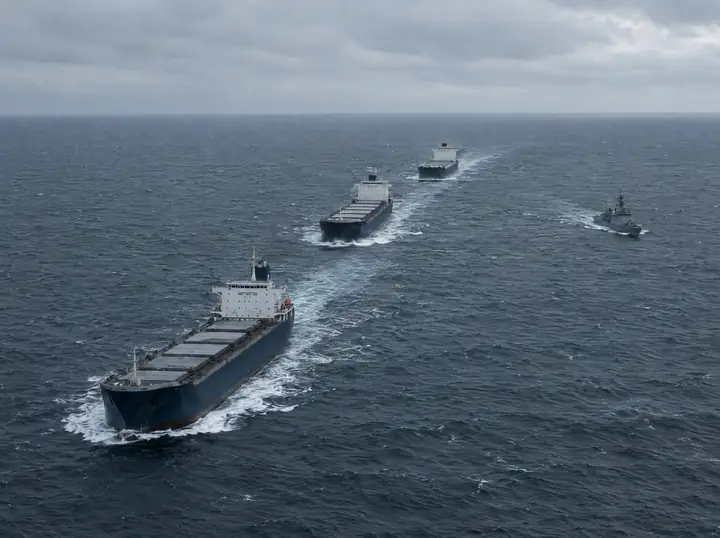
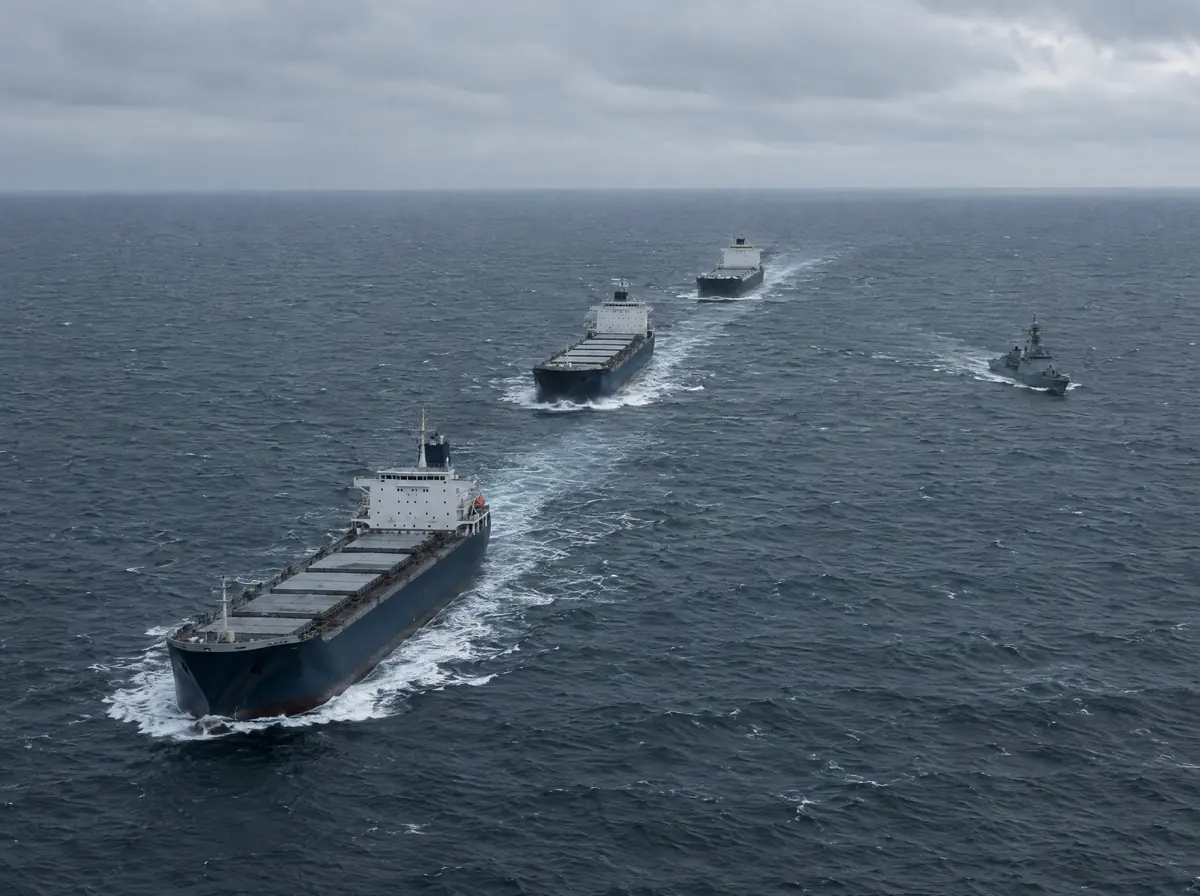
At sea
Where needed, a ship is advised on its route or passes a dangerous area in a coordinated way. A merchant ship stays a civilian ship and is not under military command.
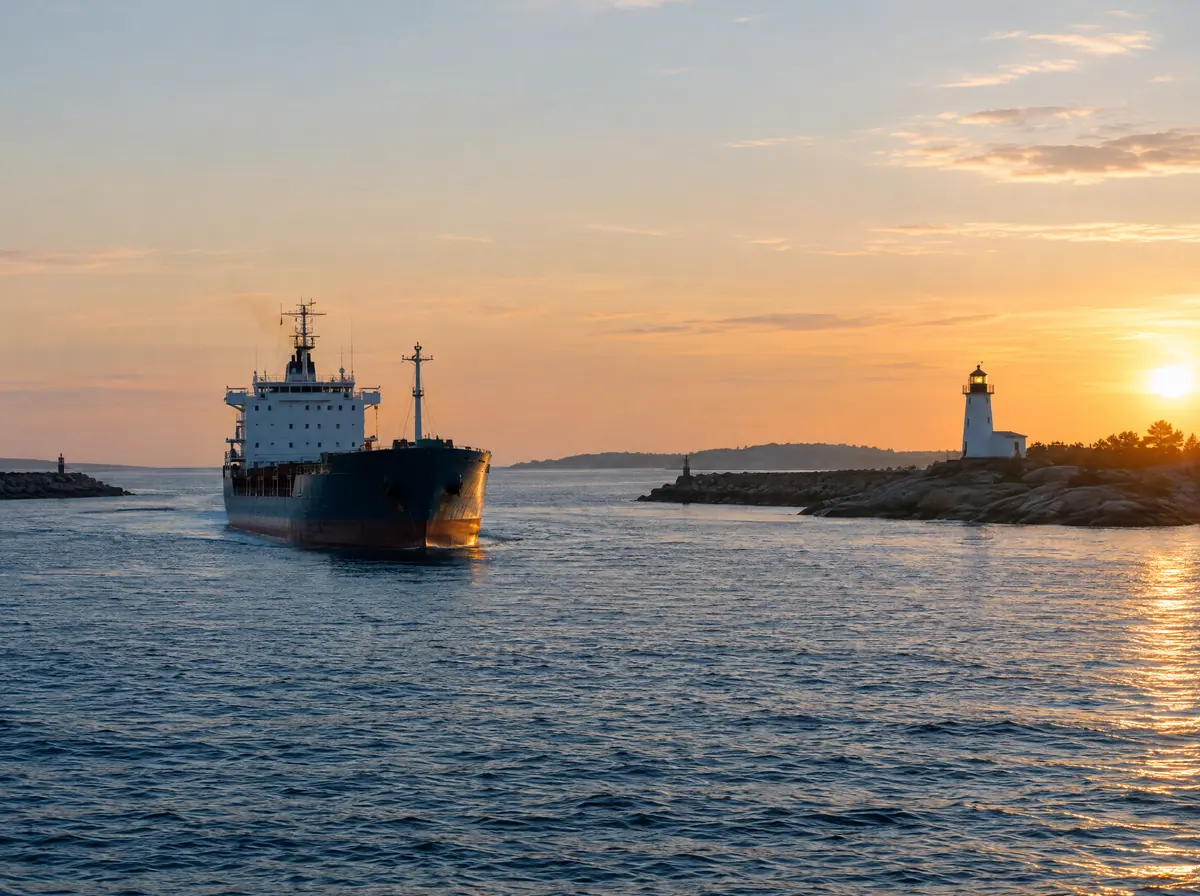
Arrival
When the transit ends, the ship’s onward passage is reviewed. The cargo arrives and the crew get home.
The sharper the situation, the more depends on cooperation. Use the slider to see how the emphasis shifts. This is a general illustration.
PeacetimeTensionCrisis or conflict
In every case merchant ships remain civilian ships. This is how NCAGS helps protect seafarers and keep cargo moving.
Estonia lies on the Gulf of Finland, a busy sea lane in the eastern Baltic. To support safety there, a mandatory ship reporting system called GOFREP has applied since 2004, created by Estonia, Finland and Russia.
Estonia is a NATO member, and participants from Estonia have attended the NCAGS course at NATO’s Maritime Security Centre of Excellence. For a maritime nation whose trade and links depend on the sea, clear cooperation between navies and merchant shipping is a natural interest.
This page covers the subject in general. It holds no information about how Estonian authorities are organised or what they do.
Relationships and contacts in place before a crisis needs them.
Threat information and advice that help a ship avoid risk.
Two-way information about who is at sea and what is happening.
Practising together so that procedures hold up under pressure.
No. Merchant ships take part voluntarily, with guidance from their national shipping authority or company.
The master. Safe navigation remains the master’s job, whatever the navy advises or instructs.
Information from a ship is used to assess the situation, and its commercially sensitive parts are protected.
Normally not without approval from the owner, operator, master or flag state. A commander may, however, advise a diversion from the route for safety.
Not necessarily. International law, rules of engagement and national caveats can limit it.
From the NATO Shipping Centre at shipping.nato.int. On a real voyage, follow that guidance, not this page.
No. It is an independent information page, not a channel of NATO, the Estonian Defence Forces or any state authority.
Questions about this page: info@ncags.ee
This text is based on the public sources below. The current edition of ATP-02.1 is Edition B, and this text has not yet been checked against it.